San Francisco buildings move fast. People come and go all day. Because of that, you need safety systems you can trust. Regular fire alarm testing helps you spot small issues before they turn into big problems. It also helps your team stay calm and act fast when alarms sound. In fact, many failures start as simple things, like a loose wire or a dead backup battery. Testing catches those early. Therefore, you protect lives, reduce damage, and avoid stressful surprises during inspections. Think of it like checking the brakes on a car. You hope you never need them in a panic. However, when you do, they must work right away.
Why Regular Fire Alarm Testing Protects Everyone in the Building
A fire alarm system is your building’s early warning tool. It helps people leave fast and helps first responders act sooner. However, alarms can fail if parts wear out or settings drift over time. Testing finds those weak spots before an emergency happens. In fact, fire alarm testing also lowers the chance of false alarms that disturb tenants and waste time. Therefore, planned tests help you keep trust with residents and staff.
You also protect routines. Schools, offices, and apartments run more smoothly when you schedule regular fire alarm testing instead of reacting to breakdowns. As a result, you spend less time on urgent calls and more time on safe operations.
Local Rules and Schedules in San Francisco CA
San Francisco has strict safety expectations for many building types. Because of that, owners and managers often need clear records of checks, fixes, and results. These records help you stay on track with required testing cycles. Therefore, a simple plan matters more than you think.
Many teams use fire alarm testing services in San Francisco CA, to stay organized. They often want reminders, clear reports, and easy next steps after each visit. However, it helps to pick a provider that explains things in plain words and follows up when repairs are needed.
What Happens During Fire Alarm System Testing
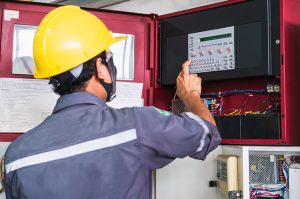
During a test, techs check how the panel, devices, and signals work together. Because each part “talks” to the others, one small fault can block alerts. Therefore, teams confirm that the fire alarm system testing can detect trouble and send the right message.
They also review signals that go to fire alarm monitoring or on-site staff. However, good testing does not feel rushed. It should include clear notes about what passed, what failed, and what needs attention next. As a result, you get a practical plan, not just a checkbox. This makes life easier for property managers who juggle many tasks.
Finding Hidden Issues with Diagnostics Testing
Some problems do not show up until you dig deeper. For example, a device may look fine but send a weak signal. Because of that, diagnostics help spot wiring faults, device drift, or panel troubles. Therefore, you avoid repeat alarms and confusing “no trouble found” visits.
Below is a quick look at common problem types and what they can cause. However, each building is different, so a fire alarm system diagnostics testing matters. As a result, you get fewer surprises during inspections and fewer late-night calls from tenants.
| Issue Found | What You May Notice | Why It Matters | Typical Next Step |
| Low backup power | Chirps or trouble lights | The system may fail in outages | Replace batteries, retest |
| Device communication fault | Random troubles | Alerts may not reach the panel | Check wiring, readdress |
| Dirty detector | More false alarms | Tenants lose trust | Clean or replace the device |
| Notification problem | Low sound or no strobes | People may not evacuate | Repair circuits, verify levels |
Functional Checks in the Presence of Tenants
Functional checks confirm each device does the job it claims to do. Because a system is only as strong as its weakest part, you test key actions step by step. Therefore, you learn if a pull station triggers the right zone and if the panel shows the right message. Fire alarm functional testing also helps to coordinate with building staff. However, you should warn tenants ahead of time and choose quiet hours when possible. In fact, one office manager shared that a planned midday test avoided panic, since staff knew it was coming. As a result, the test stayed calm, fast, and useful.
Device-Level Confidence Through Fire Alarm Detector Testing
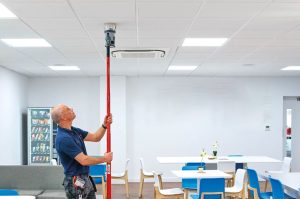
Detectors face dust, steam, and daily wear. Because of that, they can become too sensitive or not sensitive enough. Therefore, targeted detector checks matter, especially in older buildings and busy kitchens.
Here are simple steps that help tests go smoothly:
- Post notices early so people do not worry
- Assign one contact person for access and questions
- Keep elevator and stairwell paths clear
However, do not treat this like a quick walk-through. In fact, careful fire alarm inspection and testing can prevent weeks of false alarms. As a result, tenants sleep better, and managers get fewer complaints.
Emergency Readiness with Testing System
Emergency conditions feel different than routine checks. Because people may be stressed or confused, your system must guide them quickly. Therefore, emergency fire alarm system testing looks at real-world flow: audibility, visibility, and speed of response.
Picture a Saturday evening in a mid-rise apartment. A resident smells smoke and pulls the station. However, if the horn is too quiet on one floor, people may not move fast. As a result, time gets lost. Testing helps you catch those gaps early, so your building responds the way you expect.
Schedule Your Next Safety Visit
If you manage a building in San Francisco, now is a smart time to set a steady testing plan. Because it reduces surprises, you’ll feel more in control. Also, many owners choose fire alarm system performance testing to simplify scheduling and paperwork. However, avoid skipping visits. As a result, small faults can grow into big failures. Therefore, reach out to Fire and Electric Inc today to book a visit, ask questions, and get a clear, easy-to-follow testing schedule.
FAQ
How does fire alarm system testing work in buildings?
Teams check the panel, devices, and alert paths. Because each part connects, they test signals end-to-end. Therefore, they confirm alarms trigger, display correctly, and report properly.
What is included in a fire alarm inspection and testing service?
It often includes visual checks, device activation, and report writing. However, details vary by site. Therefore, ask for a clear scope, pass/fail notes, and repair recommendations.
Are fire alarm compliance tests required for buildings in San Francisco CA?
Many building types must meet local code expectations. Because rules depend on use and size, you should confirm with your AHJ. Therefore, keep records and follow set intervals.
Can fire alarm testing prevent fire-related accidents?
Testing cannot stop every fire. However, it can reduce harm by speeding alerts and guiding evacuation. As a result, people react faster, and responders get earlier notice.
Why is fire alarm compliance testing required for safety?
Compliance helps ensure systems work when lives depend on them. Because faults can stay hidden, rules push routine checks. Therefore, you protect tenants, staff, and visitors.