Fire alarms save lives, but only when they are installed correctly. Many property owners deal with poor planning, bad device placement, wiring issues, and failed inspections. As a result, the system may not warn people fast enough during a fire. It may also cause false alarms, service calls, or delays during a city review. For homes, apartments, and commercial spaces, these issues can become serious fast. Fire and Electric Inc helps property owners avoid these problems with careful fire alarm installation services in San Francisco CA, testing, and code-focused service. The team works with fire alarm control panels, smoke detectors, heat detectors, pull stations, and warning devices. With the right help, a property can have a safer system from the start.
Planning the System Before Work Starts
One of the biggest fire alarm installation mistakes is starting work without a full plan. A fire alarm system needs more than devices on walls and ceilings. It also needs a layout that matches the building. Because of that, the installer must review the space, building use, and safety needs before work begins.
What goes wrong
Poor planning can lead to missed areas, weak coverage, and wrong device choices. Also, it can make the system harder to test later.
How to avoid it
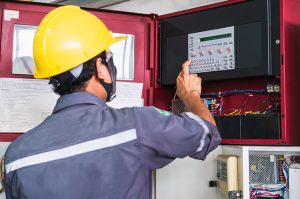
A trained team should plan the fire alarm system design before installation starts. Then the system can support alarms, pull stations, panels, and warning devices in the appropriate locations. Fire and Electric Inc provides fire alarm installation services that focus on safety, function, and code needs from the first step.
Using the Wrong System Type
Another common issue is choosing the wrong system type for the building. Some properties need a simple setup. However, larger or more complex spaces may need a more advanced system. A conventional fire alarm system can work well in some smaller buildings. It groups devices by zones to show the general alarm area. However, an addressable fire alarm system gives more detail. It can point to the exact device that sends the signal.
The right choice depends on the building size, layout, and use. Also, it depends on how much detail the owner needs during an alarm. For that reason, property owners should not guess. A trained installer can review the site first. Then, the right building fire alarm system can be selected before money is spent.
Putting Devices in the Wrong Places
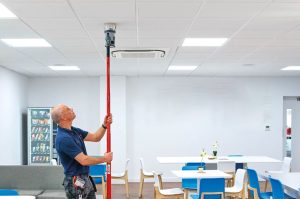
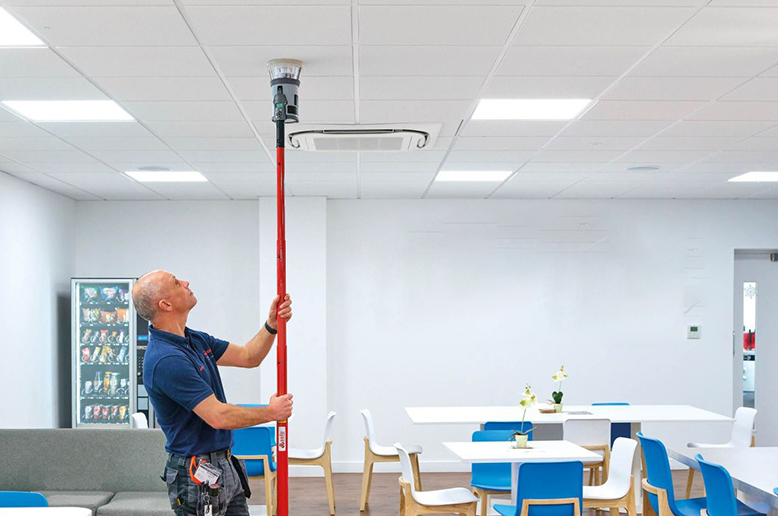
Wrong device placement can weaken the whole system. Smoke detectors, heat detectors, pull stations, and warning devices must sit where people can use or hear them. Also, they must match the building layout. Poor fire alarm device placement may leave parts of the property less protected. It may also cause false alarms when devices sit near problem areas.
Here are common placement problems:
- Smoke detectors should be placed where dust or airflow can affect them
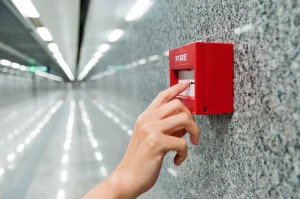
- Pull stations are placed where people cannot reach them quickly
- Warning devices are placed where people may not hear or see them
Good placement supports faster warning during a fire. Also, it helps reduce trouble calls. During professional fire alarm installation, the installer should review each area before placing any device. This step helps the system work as intended.
Making Wiring Errors That Cause Trouble
Wiring problems can cause system faults, weak signals, and service issues. Because of that, fire alarm wiring mistakes should never be treated as small problems. A fire alarm system depends on clean and correct connections. If the wiring is loose, damaged, or incorrectly installed, the panel may not receive the correct signal. Also, devices may not respond the way they should.
Good wiring also helps with later testing and service. When wires are organized well, technicians can find issues faster. As a result, the owner can avoid longer repair visits. A licensed electrical team can help reduce these risks during fire detection system installation. Fire and Electric Inc works with fire alarm panels, devices, and related electrical needs. Therefore, our service can help owners avoid avoidable system issues.
Missing Code Rules During Installation
Fire alarm work must follow safety rules. If it does not, the property may fail to be reviewed. Also, the system may not protect people effectively. Fire alarm code compliance is a key part of the job. It helps confirm that the system has the right devices, coverage, alerts, and testing steps.
| Service step | What it helps prevent |
| Fire alarm installation planning | Missed areas and poor device layout |
| Control panel setup | Wrong signals and poor system response |
| Smoke and heat detector setup | Weak detection and delayed alerts |
| Pull station placement | Slow manual alarm use |
| Notification device setup | Poor warning for people inside |
| Testing and inspection | Hidden issues after installation |
Because codes and building needs matter, owners should use trained help. Also, they should keep reports and records after service.
Forgetting About Testing After Installation
A system should never be treated as finished until it is tested. Skipping fire alarm testing and inspection is one of the most common fire alarm installation errors. The system may look complete, yet still have hidden faults. Testing helps confirm that devices, panels, signals, and alerts work together.
Testing should check:
- Smoke detectors and heat detectors
- Pull stations and notification devices
- Control panel signals and system response
After testing, owners can better trust the system. Also, they can find problems before an emergency happens. Fire and Electric Inc provides testing and inspection support for fire alarm systems. Moreover, the team can help owners understand issues found during the check. This step supports safer daily use and better long-term system care.
Choosing Low-Cost Work Over Safe Work
Some owners try to save money by using untrained help. However, fire alarm work affects real people. A poor job can lead to false alarms, missed alerts, and failed reviews. Also, cheap work can end up costing more later if repairs are needed. A good fire safety system installation should focus on safe function first.
A trained team can examine the entire system, not just one part. For example, the panel, devices, wiring, and alarms all need to work together. Also, the system may need to connect with other safety features, such as emergency lighting or sprinklers. That is why commercial fire alarm installation should be carefully planned. With fire alarm installation services in San Francisco CA, property owners can get support tailored to real safety needs.
Not Thinking About Future Service
A fire alarm system needs care after it is installed. However, some owners forget this part. Devices can fail, wiring can age, and panels can show trouble signals. So, owners should plan for service from the start. Good fire alarm maintenance tips often begin with simple habits, like keeping inspection records and responding to warning signs fast.
Property owners should also schedule checks when needed. In addition, they should ask trained technicians to review issues before they grow. Fire alarm systems protect people, so delays can create risk. A good installer should make later service easier. That means the system should be labeled, tested, and set up with future care in mind. This helps owners manage safety with less stress.
How Fire Alarm Installation Services Help Prevent Costly Mistakes
Many mistakes happen because owners do not know what the full job includes. Fire alarm installation services in San Francisco CA can help because trained teams understand devices, panels, layouts, and testing procedures. Also, they understand how local buildings can have different needs. A small business, apartment building, and larger commercial property may not need the same setup.
These services can help with:
- System planning and device layout
- Fire alarm panel and device installation
- Testing, inspection, and repair support
Good service also reduces guesswork. In addition, it helps owners avoid repeat visits caused by poor work. A trained team can explain what the building needs before work starts. Then, the owner can make better choices and protect the people inside.
Meeting Safety Needs Without Guesswork
Fire alarms are not one-size-fits-all systems. Each building has different rooms, exits, use patterns, and safety needs. Because of that, fire alarm safety requirements should guide the work from day one. The system should help people hear, see, and respond to danger fast. Also, it should help emergency teams get the right signal.
The best way to avoid mistakes is to use a team that understands both fire alarm and electrical work. The team should also test the system before the job is done. With the right process, property owners can reduce false alarms, failed checks, and safety gaps. Fire and Electric Inc offers fire protection solutions for homes, businesses, and property owners across San Francisco County and nearby Bay Area counties. For safer results, owners can us for help with fire alarm installation and related service needs.
FAQs
What are the most common fire alarm installation mistakes?
The most common mistakes include poor planning, wrong device placement, wiring problems, and skipped testing. Also, some owners choose the wrong system type for the building. These issues can cause false alarms, weak coverage, failed checks, or slow warning during a real fire.
Why is proper fire alarm placement important?
Proper placement helps the system detect danger faster and warn people sooner. If devices sit in the wrong areas, smoke or heat may not reach them in time. Also, poor placement can cause false alarms, leading to stress and additional service calls.
Can incorrect wiring affect fire alarm performance?
Yes, incorrect wiring can affect how the system works. It may cause trouble signals, failed device response, or weak communication with the control panel. Also, wiring problems can make testing harder. That is why trained workers should handle fire alarm wiring.
How does poor system design impact fire safety?
Poor design can leave areas inadequately protected. It may also place the wrong devices in the wrong parts of the building. As a result, people may not get a fast warning. Good design helps the system match the building and its daily use.
What happens if a fire alarm system is not code compliant?
A system that is not code-compliant may fail inspection or require corrections. More importantly, it may not protect people effectively. Code rules help guide device placement, system response, and testing. So, owners should address code issues before they become larger problems.
How can improper detector placement lead to false alarms?
Improper detector placement can expose devices to dust, airflow, heat, or other triggers. As a result, the system may alarm when there is no fire. False alarms can disrupt people inside the building. Also, they can lead to avoidable service calls and trust issues.
What are the risks of skipping fire alarm testing after installation?
Skipping testing can leave hidden problems in the system. Devices may not signal correctly, or the panel may not respond as expected. Also, warning devices may not effectively alert people. Testing confirms that the system works before people depend on it during an emergency.