High-rise buildings pack a lot of people into a small footprint. When a fire starts, smoke can spread fast and turn a simple exit into a maze. That’s why smoke control system testing matters so much. It checks how air moves, how doors react, and how fans and dampers respond. However, many owners only think about smoke after a close call. That’s risky. Because smoke harms people before flames do, you need a plan that works every time. In fact, good testing protects residents, staff, and first responders. It also helps keep business running after a scare, as a result of faster control and calmer evacuations.
Why Smoke Control System Testing Matters in High-Rise Buildings
High-rises rely on regular fire alarm system testing and smoke control systems to maintain safety and keep smoke from filling stairs, halls, and elevator lobbies. However, even one stuck damper can change the whole airflow plan. Therefore, testing does more than checking a box. It proves the building can hold safer escape routes when people need them most. Think of it like a seatbelt check before a long drive. In fact, you don’t want to find out it failed during a crash. Clear results also help owners plan fixes early, as a result of catching small issues before they grow.
Code Needs and Local Checks in San Francisco
Rules can feel stressful, especially in older towers. Smoke control system testing in San Francisco helps you meet local expectations and stay ready when inspectors show up. However, passing an inspection starts with good prep and clear access to key areas. Because these systems touch many floors, coordination matters.
A simple plan can make the day smoother:
- Tell tenants what hours alarms may sound
- Confirm roof and mechanical room access
- Assign someone to unlock the stairs and fan rooms
- Keep drawings and past reports on-site
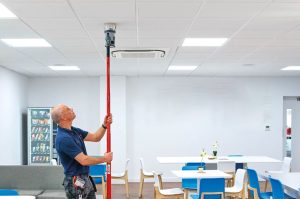
In a separate step, smoke control inspection reviews what’s installed and whether parts match the approved design. Therefore, paperwork and fieldwork must align.
Airflow Paths and Pressure Control That Save Lives
During an event, smoke control system testing checks whether pressure differences still do their job. However, pressure only works if doors, seals, and fans work together. Because a high-rise has many openings, air will always choose the easiest path. Therefore, a pro measures and confirms that the path stays predictable. In fact, stairwells often need positive pressure so people can exit without breathing thick smoke. Smoke management systems also support firefighters by limiting smoke travel while crews move to the source. As a result, responders can work faster, and occupants can move with less panic.
How HVAC and Fire Signals Must Work Together
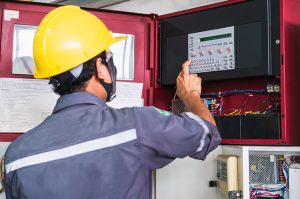
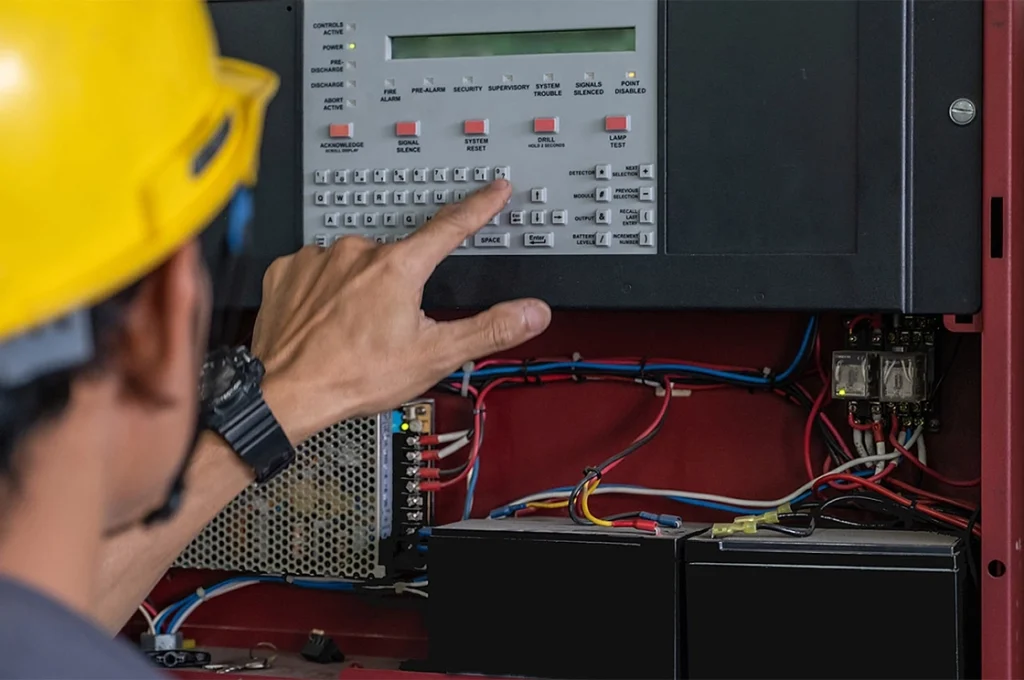
Many failures come from poor coordination, not broken hardware. HVAC smoke control testing confirms the HVAC system responds the right way when alarms trigger—however, timing matters. Because fans may need to start, stop, or reverse, the sequence must be correct. Therefore, the test focuses on real reactions, not just indicator lights. A simple, helpful checklist can keep teams aligned:
- Confirm alarm zones and fan zones match
- Verify damper open/close positions
- Check the power supply and backup behavior
- Confirm the system resets cleanly after tests
Teams like Fire and Electric Inc often help owners translate test results into clear next steps. In fact, that clarity reduces repeat visits, as a result of fixing the true root cause.
| Area Checked | Goal | What Gets Verified | Common Issue Found |
| Stairwells | Safer exits | Pressure holds with doors cycling | Door seals leaking |
| Fan Systems | Move the smoke out | Fans start and run at a set speed | Wrong rotation |
| Dampers | Control airflow | Dampers open/close on command | Stuck linkage |
| Controls | Correct sequence | Signals match the design | Bad programming |
Maintenance Habits That Prevent Surprise Failures
Testing is powerful, but upkeep keeps the system reliable all year. Smoke control maintenance helps stop small problems from turning into big failures. However, maintenance works best when it follows a simple schedule. Because high-rises run nonstop, dust, vibration, and tenant changes can affect performance. Therefore, routine checks should focus on the parts that move and the parts that signal. In fact, a blocked intake can reduce fan output without anyone noticing. A smart plan also tracks battery health and control panel trouble codes. As a result, the next test day feels routine instead of rushed, and fixes cost less.
What a Real Emergency Drill Should Confirm
A drill is more than an alarm sound check. Smoke control system testing in San Francisco often includes steps that mimic real smoke movement and door use. However, people behave differently under stress, so drills reveal real-world choke points. Because tenants may hold doors open or crowd stairs, airflow patterns can shift. Therefore, drills should include clear staffing roles and simple instructions. Smoke exhaust system testing also confirms that exhaust paths pull smoke away from critical areas. In fact, one building manager once learned that a storage room had blocked a key access panel. As a result, they fixed it the same week and avoided a failed inspection later.
Reports, Retests, and the Details Owners Forget
Good reports help you act fast and prove compliance later. Smoke ventilation system testing results should show what was checked, what passed, and what needs repair. However, vague notes can slow down approvals. Because a high-rise has many zones, details matter by floor and by device. Therefore, reports should list exact fan IDs, damper locations, and control responses. Moreover, smoke control system testing also benefits from quick retests after repairs. In fact, a simple recheck after a damper fix can confirm the system now meets the intended airflow plan. As a result, you avoid repeat failures and reduce downtime for tenants.
Schedule Your High-Rise Smoke Safety Visit
However, when smoke systems get tested and tuned on time, people can exit faster, and crews can work with less risk. Because small faults can hide for months, it’s smart to catch them early; your building stays ready when it matters most. If you manage a high-rise and want clear answers without the runaround, reach out today. You’ll get friendly scheduling, simple explanations, and a practical plan with Fire and Electric Inc you can act on.
FAQs
Why is smoke control important in fire safety systems?
Smoke moves faster than flames, so it blocks exits and harms lungs quickly. Smoke control limits spread, keeps stairs clearer, and helps people leave sooner with less confusion.
How often should smoke control systems be tested?
Most buildings are tested on a regular schedule set by code and building needs. Many owners plan at least annual testing, and more often after major HVAC or alarm changes.
What happens if a smoke control system fails during inspection?
A failure can trigger required repairs and retesting. It may also delay approvals for occupancy or projects. Fixing issues quickly helps avoid repeat inspections and added disruption.
How do smoke control systems work in high-rise buildings in San Francisco CA?
They use fans, dampers, and pressure control to direct smoke away from stairs and key paths. They also link to alarms, so the building responds fast during an event.