Flickering lights can feel like a small worry. However, the cause can be serious. An electrical compliance check helps you find unsafe wiring, weak panels, and missing protection before a shock or fire happens. It also helps you prove your building meets today’s rules. Because many homes and rentals in San Francisco are older, small issues can hide for years. In fact, one loose connection can heat up fast. Therefore, a simple visit today can save a big repair later. This blog breaks it down, so you know what to ask for and what passing really means.
What Is an Electrical Compliance Check, And Why Does It Matter
This check is a clear, step-by-step look at how your power system runs. It compares what you have to today’s rules and safe practices. As a result, it can spot risk before trouble starts.
Think of a cracked phone charger. Because the cord still works, you might keep using it. However, the damage can spark. A building can hide the same kind of risk, only bigger. Therefore, a compliance check gives you peace of mind and a safer day-to-day routine.
When To Schedule A Check for Your Home or Building
Plan a check when you see warning signs. Hot outlets, buzzing switches, and tripped breakers all count. Therefore, take them seriously, even if they come and go.
A code compliance inspection also helps after remodels or new equipment. Because loads change, old wiring may no longer fit the job. In fact, many new problems start right after a kitchen or office upgrade.
Even if nothing seems wrong, set a reminder after big tenant changes. As a result, you catch small issues before they grow into a late-night emergency.
What An Electrician Reviews During a Visit
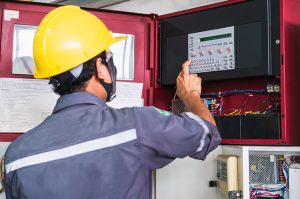
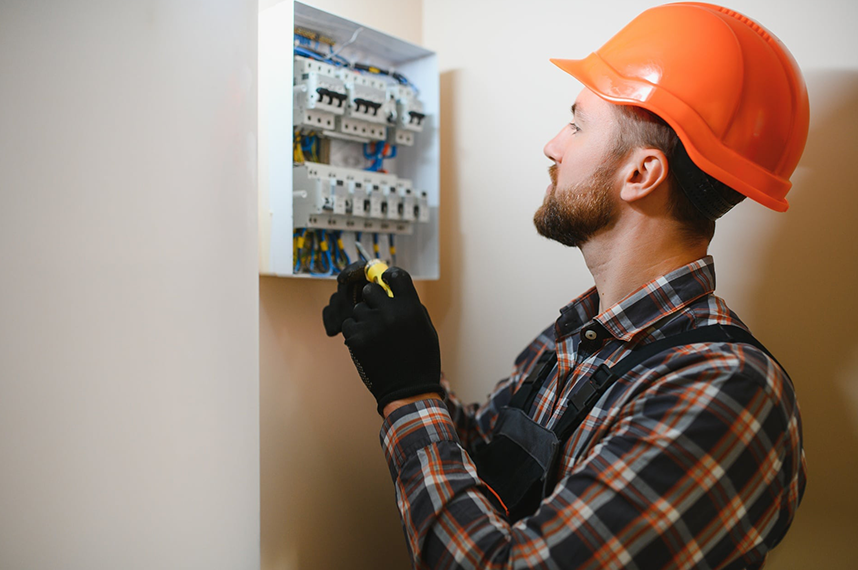
During an electrical system inspection, a tech checks panels, breakers, grounding, and outlet safety. They look for heat marks, loose parts, and signs of overload. In fact, many problems show up in the panel first.
They often focus on quick, high-impact items:
- GFCI and AFCI protection were needed
- Safe spacing and cover plates on boxes
- Clean labeling so circuits make sense
- Solid grounding and bonding
For clear answers and steady follow-up, many owners call Fire and Electric Inc. They walk you through findings clearly, so your next steps feel doable. However, you still stay in control of timing and budget.
Inspection Vs Testing: What’s The Real Difference?
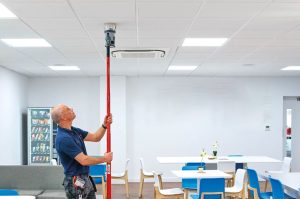
An inspection is the look and confirm part. Testing proves key parts work under real conditions. Therefore, testing can catch a weak device that still looks fine. A free compliance check helps you see what is there. Testing shows what actually happens when power flows, alarms trip, or backup systems switch on. Because both help in different ways, many owners choose a combined approach.
| What you compare | Inspection does | Testing does | Typical outcome |
| Condition | Visual review | Functional proof | Clear priorities |
| Safety devices | Presence check | Trip and reset | Real protection |
| Records | Notes and photos | Measured results | Strong evidence |
| Time | Shorter visit | Longer visit | Deeper insight |
Cost, Timing, And How to Use the Results
A good report should feel easy to read. When you schedule an electrical compliance check, ask for plain-language notes and clear photos. Therefore, you avoid vague “needs attention” lines that don’t tell you what to do.
An inspection can help you start without stress. It often works as a quick walkthrough and estimate so that you can see the scope first. However, confirm what is included, because a fast look is not always full testing.
To keep the visit smooth:
- Gather past permits or upgrade notes
- Make sure the panel area is clear
- Write down the issues you noticed
How Compliance Testing Reduces Shocks and Fire Risk
An electrical safety audit looks at real-life use, not just parts. For example, a busy kitchen may run two high-load devices at once. Because of that, one weak connection can heat fast and trip breakers again and again. In that moment, an electrical compliance check can point to the exact cause. Therefore, you fix the real problem instead of swapping random outlets. In fact, this saves money because you stop repeat repairs.
After fixes, schedule a follow-up compliance check so you can confirm the upgrades work as planned. However, keep safety habits in place, like not overloading strips and replacing damaged cords.
Local Reminders for San Francisco Property Owners
Many owners choose a compliance health check schedule that lines up with other building tasks. Therefore, you can bundle visits and keep records in one place. Because older buildings can have mixed wiring, regular reviews matter.
If you buy property in the city, add an electrical safety check before move-in. As a result, you can plan upgrades while the home is still empty, which makes the work faster and cleaner. Keep a simple folder for permits, photos, and past notes. In fact, that small habit can make city reviews and insurance questions much easier.
Next Steps
You can start small by writing down the rooms with issues and the times problems happen today. Because patterns matter, that note can speed up troubleshooting. Therefore, you get answers faster. Also, take quick photos of your panel label and main shutoff. If you want a calm, step-by-step plan, contact Fire and Electric Inc today and ask for a safety visit that fits your schedule. You’ll get clear answers and an easy next step.
FAQ
Why is an electrical compliance check important for electrical safety?
It finds hidden heat, overloads, and missing protection. Therefore, you can fix small faults before they cause shocks, outages, or fires in real life.
What does an electrical compliance check include?
It covers panels, breakers, grounding, and outlet testing. As a result, you get clear notes on what meets the rules and what needs repair.
Is a free compliance check available for electrical systems in San Francisco?
Some providers offer an initial look or estimate at no cost. However, confirm what is included, so you know if testing and a written report are part of it.
Can compliance testing help prevent electrical hazards and fire risks?
Yes. Testing can spot loose connections and overloaded circuits that heat up. Therefore, repairs can lower hazard risk and help protect people and property.
How often should electrical compliance inspections be done?
Many owners schedule an electrical compliance inspection every year or after major work. Because wear builds over time, repeat visits help keep risks low and records current.
Are electrical inspections required when buying property in San Francisco CA?
They are not always required. However, buyers often request them. As a result, you learn what to fix, and you can negotiate with real facts.